Interlockings are extremely important to railroad safety and efficiency. They help prevent train collisions at locations where train routes intersect, cross, merge, or diverge. Without interlockings, the risk of conflicting train movements would be much higher, especially in busy areas with frequent train traffic.
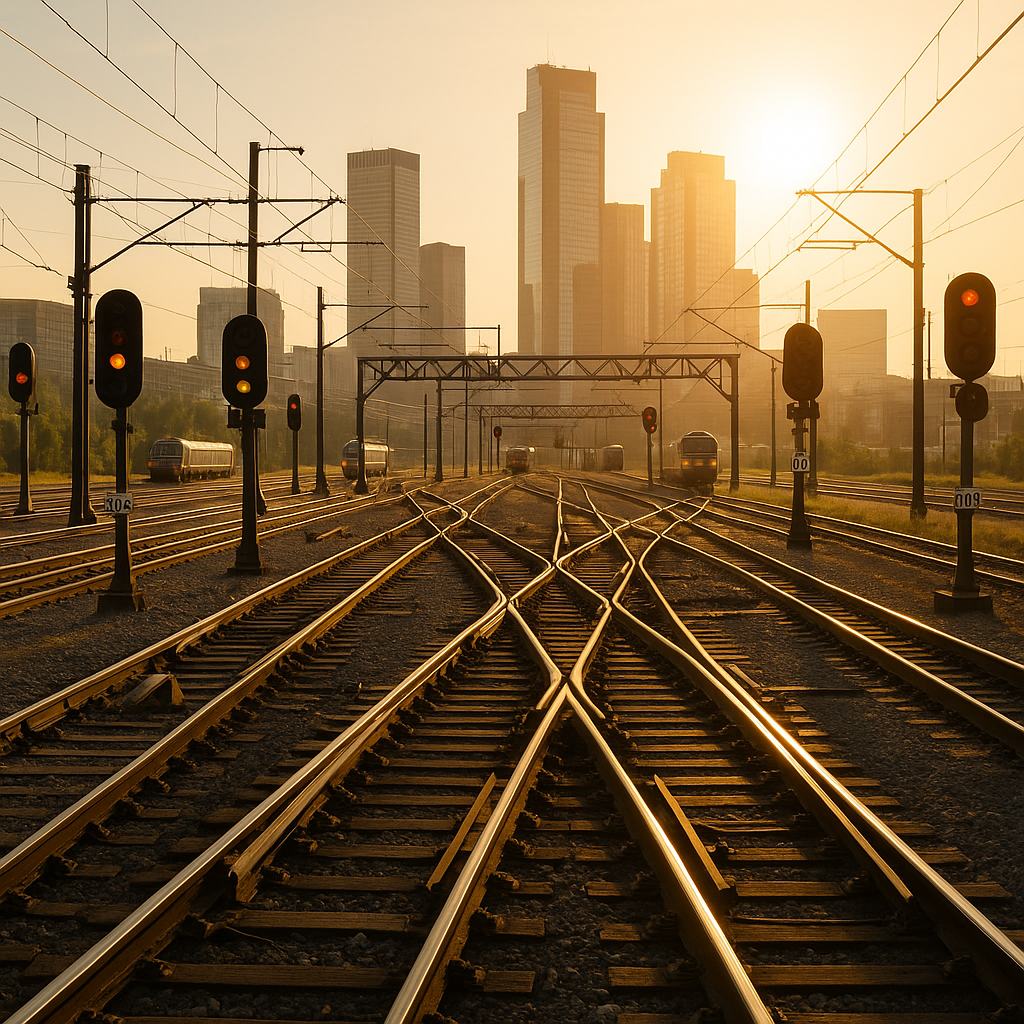
An interlocking provides a controlled system for managing switches, signals, and routes so that unsafe or conflicting movements cannot be authorized at the same time. This reduces the possibility of human error and helps ensure that only safe train movements are allowed.
Beyond safety, interlockings also improve traffic flow. By allowing multiple trains to move through a complex area without interfering with each other, interlockings help increase the capacity of a railway network.
This is especially important in busy terminals, junctions, crossovers, and crossings where trains must move efficiently to maintain schedules and reduce delays. A properly designed interlocking can greatly improve the movement of trains through a congested area.
Interlockings also provide flexible train routing. Dispatchers can direct trains along different paths based on traffic conditions, maintenance work, service disruptions, or operational needs.
In simple terms, an interlocking is not just a safety device. It is also an important operating tool that helps maximize railroad efficiency, flexibility, and reliability.